

Distributed Antenna Systems
(Cel-Fi Quatra & DAS)
Scalable coverage for large facilities
Staying connected inside large-scale buildings can be a challenge. Thick walls, underground levels, and complex layouts often block mobile signals, creating blackspots where communication matters most.
Cel-Fi Quattra and Distributed Antenna Systems (DAS) are designed to eliminate these dead zones. Carrier-approved and scalable for enterprise-grade deployments, these solutions deliver consistent voice and data coverage across every corner of your facility, from basement to boardroom.
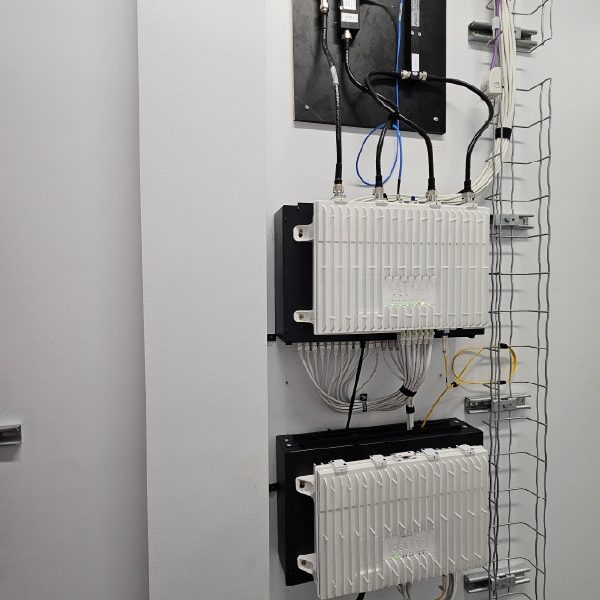
What our Distributed Antenna Systems can do:
Key features
- Up to 100 dB gain across multiple zones
- Hybrid DAS architecture with Ethernet backhaul
- Remote monitoring and diagnostics
- Carrier switching and multi-operator support
Who can benefit?
- Hospitals and aged care facilities
- Convention centres and stadiums
- Schools
- High-rise commercial buildings
- Government and defence infrastructure
Why Younifi for
Distributed Antenna Systems
Comprehensive Site Audits
Detailed RF surveys using the Compass XR technology to accurately map coverage, interference and signal performance before deployment
Engineered for Reliable Coverage
Custom-designed DAS solutions that eliminate blackspots and deliver consistent mobile connectivity throughout your facility
Vendor-Neutral expertise
Independent advice and solutions tailored to your site requirements, carrier environment and operational needs.
End-to-End Delivery and Support
From site survey and design, through installation, commissioning and ongoing management, Younifi provides a complete DAS lifecycle service
frequently asked questions (faq's)
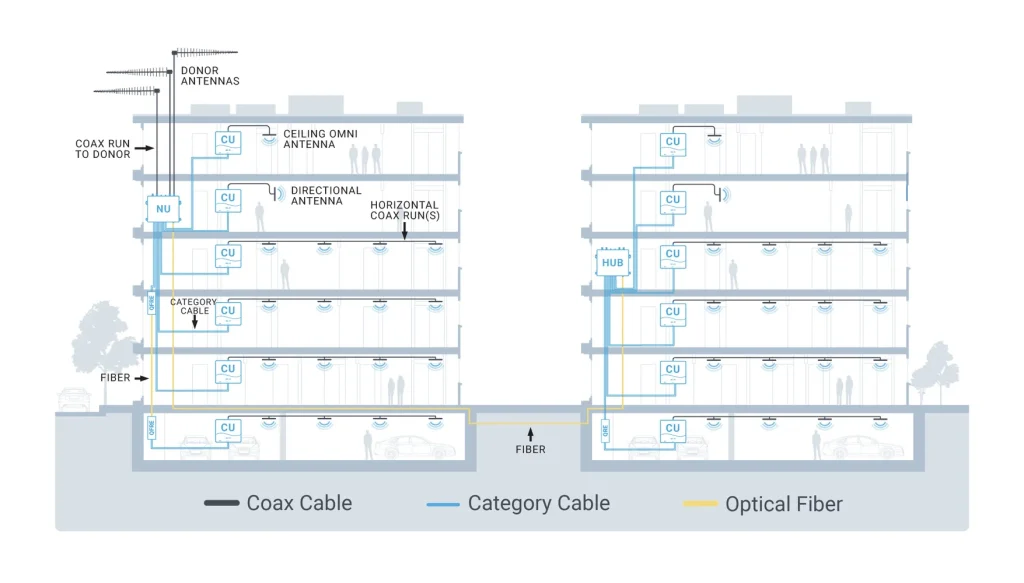
What is a DAS? A Distributed Antenna System (DAS) is a network of antennas distributed throughout a building or site and connected to a central signal source, designed to extend strong, consistent mobile coverage into every zone of a large or complex facility — including basements, stairwells and areas with thick walls or extensive shielding. Unlike a single booster, a DAS distributes signal across multiple antennas and zones from one coordinated system.
What is the difference between Cel-Fi and DAS? Cel-Fi is a carrier-approved signal booster suited to a single building or a defined problem area, and is typically the faster, lower-cost option. A DAS scales further, distributing coverage across multiple zones, floors or buildings from a single design — the right fit for larger or more complex sites like hospitals, stadiums, high-rise buildings and government or defence facilities. In practice, Cel-Fi Quatra units are often used as part of a hybrid DAS architecture, combining booster technology with distributed antenna infrastructure.
Does a DAS need carrier approval? Yes. Younifi’s DAS and Cel-Fi Quatra solutions are carrier-approved, meaning they’re designed to work within Telstra, Optus and Vodafone network rules rather than as unauthorised repeaters. Non-approved equipment can be switched off remotely by carriers and may breach ACMA regulations — carrier approval is what keeps a DAS legal and reliable long-term.
Can DAS support Telstra, Optus and Vodafone? Yes. Younifi’s DAS solutions support carrier switching and multi-operator use, so a single system can be configured to support Telstra, Optus and Vodafone depending on which carriers your staff, tenants or visitors need covered.
How long does a DAS project take? Timeframes vary with the size and complexity of the site, but every DAS project starts with an RF site survey — using Compass XR technology to map coverage, interference and signal performance — before any design or installation work begins. Larger or multi-zone buildings take longer to survey and design than a single-zone deployment; Younifi can give an indicative timeline once a site survey has been completed.
What is involved in a mobile coverage site audit? A site audit typically involves an RF survey to identify exactly where and why signal is failing, a review of which carriers need to be supported, and an assessment of the building’s construction and layout that could be blocking signal. The audit’s findings are then used to design a system — Cel-Fi, DAS, or a combination — sized to the actual site rather than assumed from a floor plan.
Younifi’s Distributed Antenna Systems in action
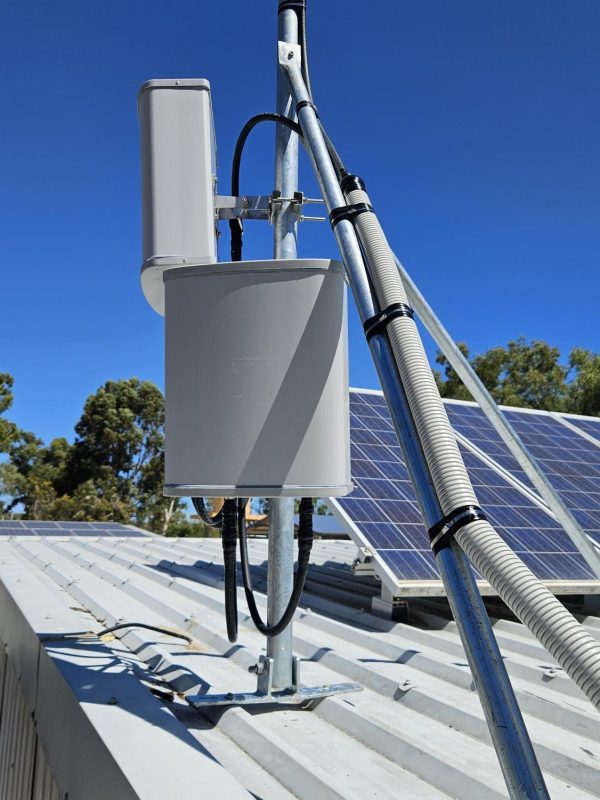
MIMO panel antennas allow us to broadcast a radio signal horizontally as opposed to a radius from circular dome antenna. This is good for car parks, warehouses and large open areas. These typically have a beam width of 120°, meaning you can pair multiple to increase your coverage footprint.
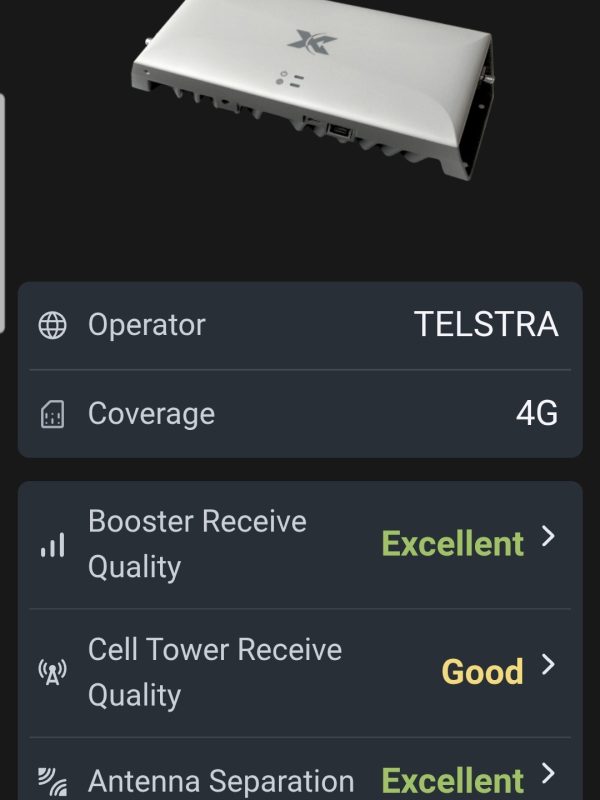
Cel-Fi devices have diagnostic installation tools that ensure the system is setup correctly. The tools allow us to ensure the antennas have good separation, the unit is getting good signal from the donor mobile phone tower and that the donor antenna is pointing in the right direction and calibrated perfectly.
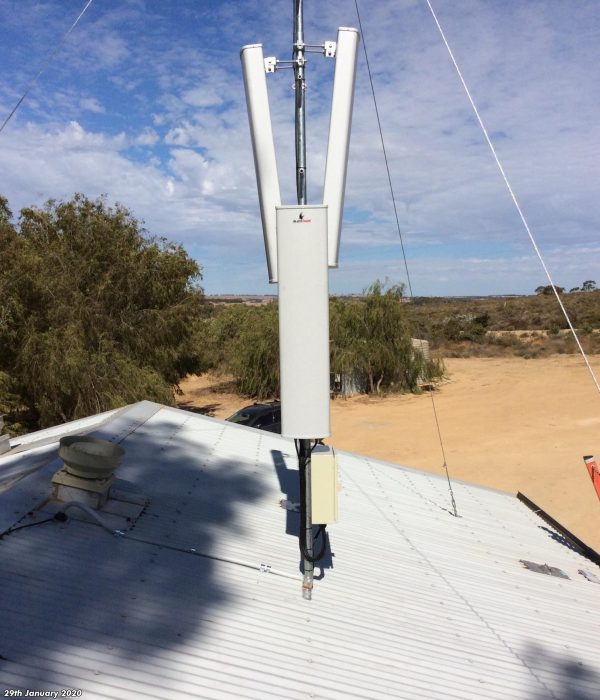
Stadium antennas allow you to broadcast a reasonable distance outdoors in situations where there is no macro coverage at the site from the local tower. This has been used successfully on beaches, surf clubs, farms and other locations that have line of site to a cellular tower but no local coverage.